Why a Tap Feels Like Magic (But It’s Just Really Good Engineering)
October 2, 2026
Behind every Tap to Confirm and Tap to Activate sits proven EMV chip cryptography, validated in real time by Visa. Here is how a simple tap becomes strong authentication.
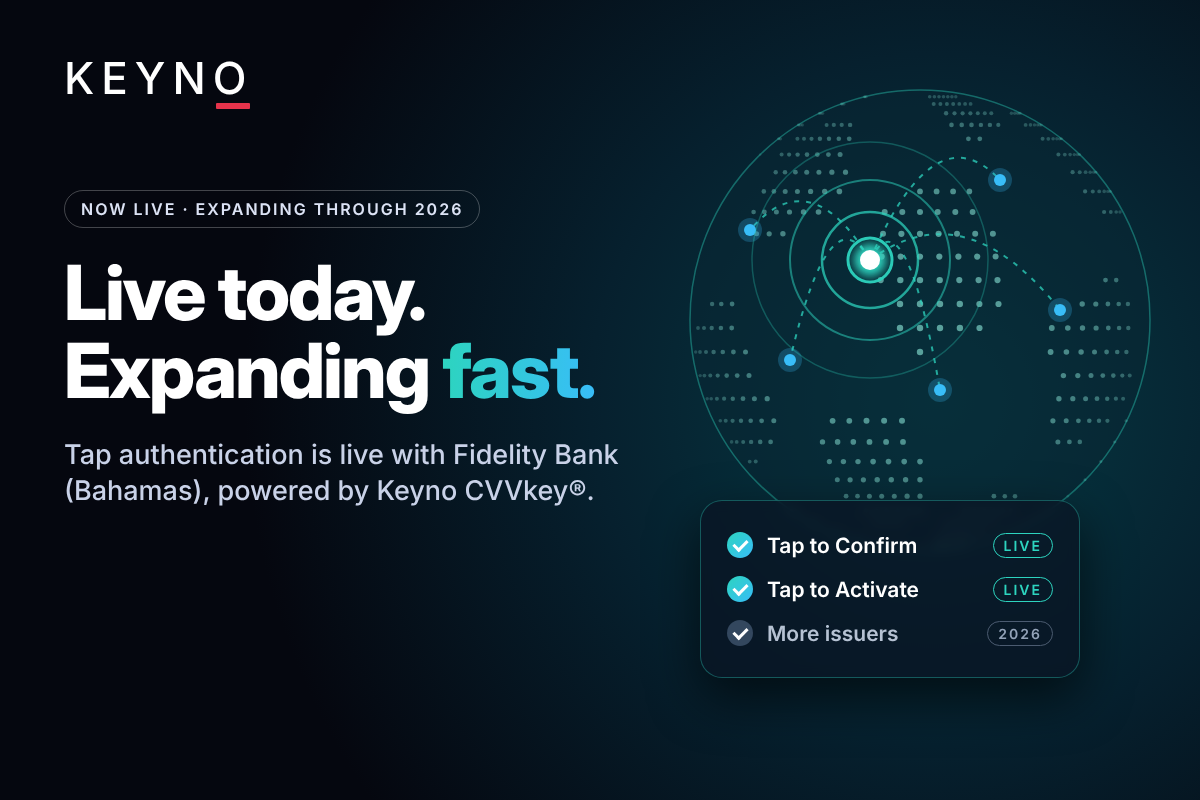
Visa and Keyno Deploy Tap-Based Identity Verification with Bahamas’ Fidelity Bank
In security, there is usually a trade-off. Make a process safer and it gets slower: more codes, more questions, more steps. Make it easier and the risk goes up.
Tap-based authentication is the rare case where that trade-off disappears. The tap that feels effortless to the cardholder is backed by the same chip technology that secures billions of card payments. “More secure” and “more delightful” turn out to be the same feature.
The weak spots of today’s methods
Most digital banking journeys still rely on methods that were never designed for today’s threats:
- One-time passcodes can be intercepted, phished or redirected through SIM swaps
- Security questions depend on information that is often public or easy to guess
- Contact-center checks are slow, expensive and open to social engineering
- Mailed activation codes add days of delay and can be lost or stolen
Each of these asks the customer to prove who they are with something an attacker can also obtain. A tap asks for something much harder to fake: the genuine physical card.
What happens during a tap
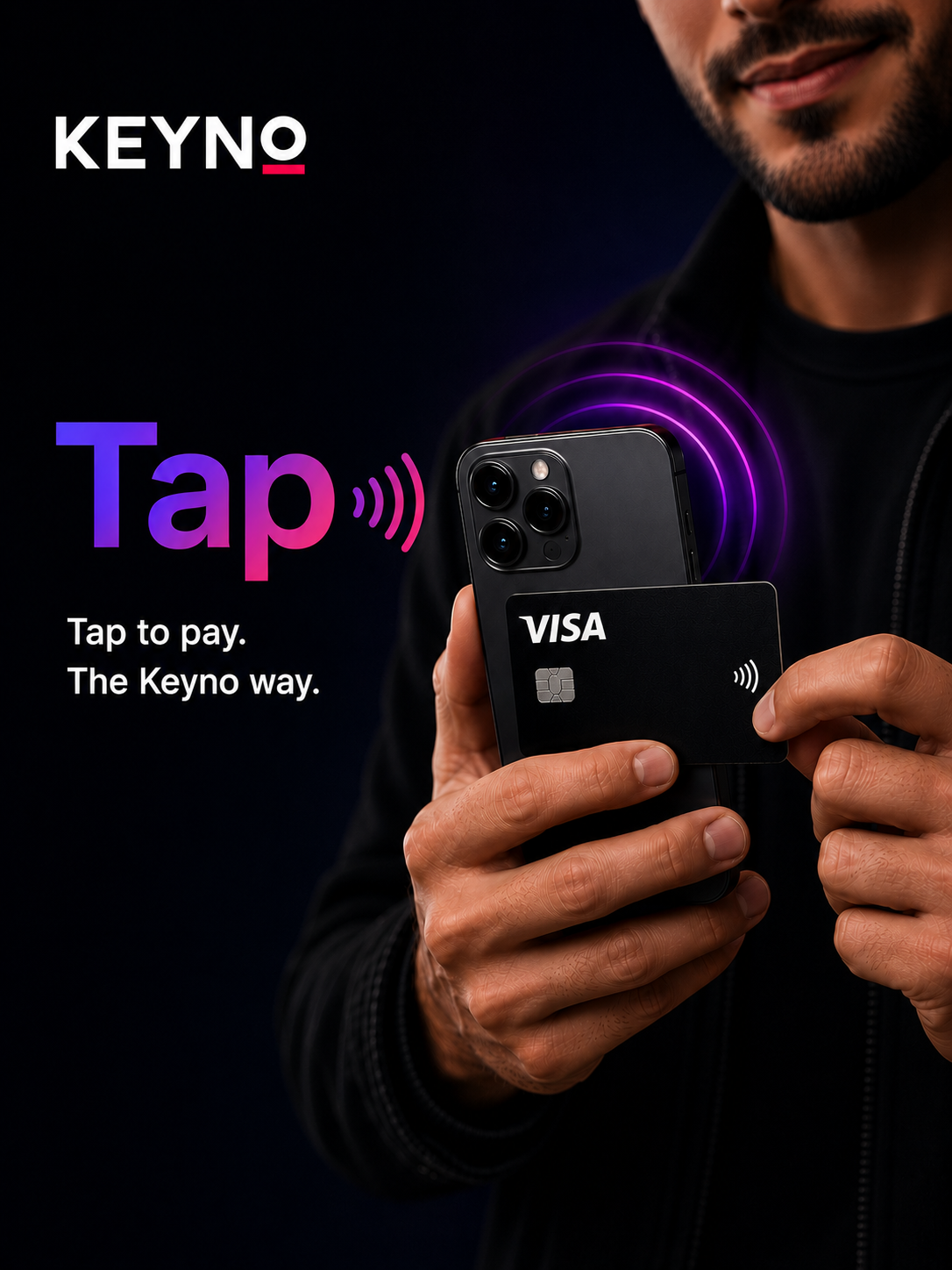
When a cardholder taps their Visa card on their phone inside the issuer’s app, four things happen in a few seconds:
- The phone reads the card over NFC, the same contactless technology used at payment terminals.
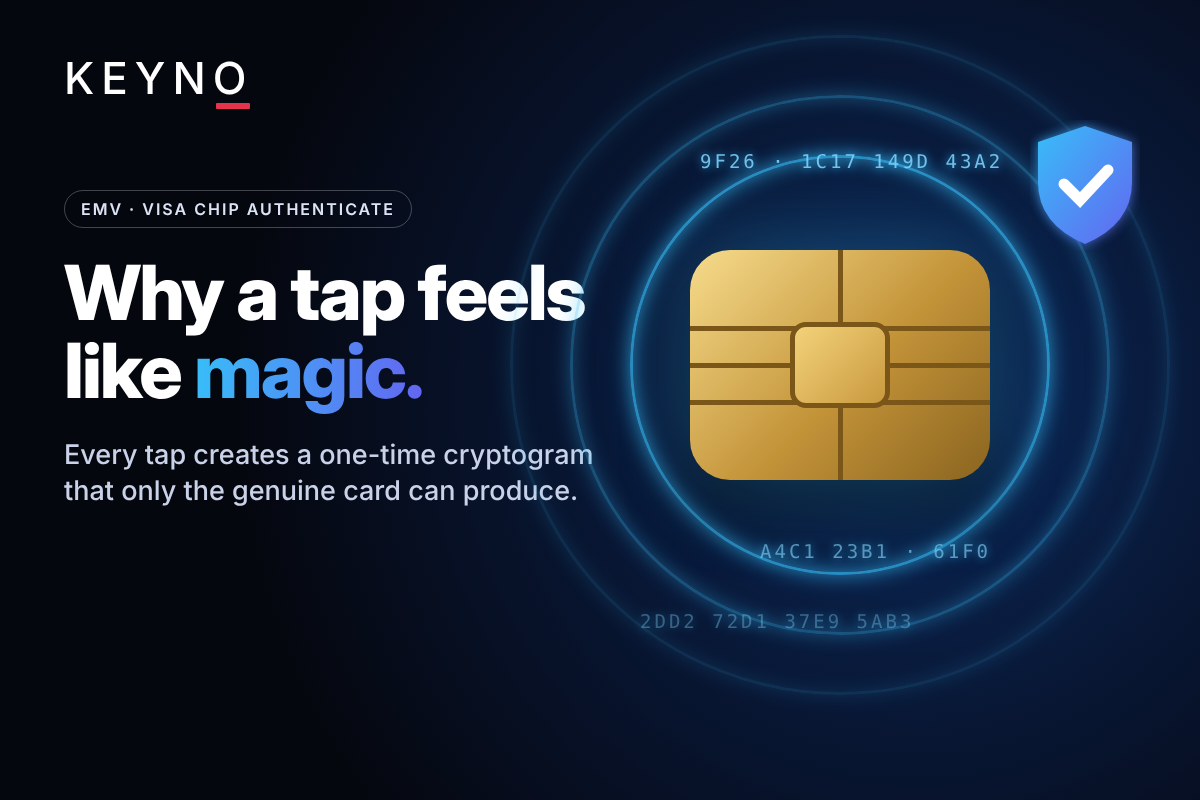
- The chip generates a cryptogram, a one-time cryptographic value that only the genuine card can produce.
- Visa validates it in real time through its Chip Authenticate service and the Visa Transaction Exchange (VTEX) API, running over VisaNet.
- The issuer gets a clear answer: the real card is present, and the action can go ahead.
Because each cryptogram is unique, it cannot be copied and replayed later. A screenshot, a stolen card number or an intercepted message is not enough.
Built on infrastructure that already works at scale
This is not new, untested technology. EMV chip cryptography is the global standard that made counterfeit card fraud at the point of sale so much harder. VisaNet processes more than 150 billion transactions a year.
Tap to Confirm and Tap to Activate reuse that infrastructure for a new job. The EMV chip becomes a reusable credential for issuer-side authentication, not only for purchases. Issuers do not need to hand out new tokens or hardware: their cardholders already carry the credential.
Security and convenience, together
- For cardholders: one familiar gesture, no codes to type, no waiting for an SMS
- For issuers: strong, fraud-resistant proof of card possession, fewer support calls and less abandonment in digital journeys
That is the real magic: security that customers actually want to use.
Curious how tap-based authentication fits your digital roadmap? Contact us at info@keyno.io.